


Common Data Platform for the Data-driven Enterprise
Solix CDP delivers cloud data management as-a-service for modern data-driven enterprises. Built on open source, cloud native technologies, Solix CDP helps companies manage and process all of their structured, semi-structured and unstructured data for advanced analytics, compliance, infrastructure optimization, data security, machine learning and AI.
Solix CDP features Solix Connect to ingest any data, Solix Data Governance for compliance and control, Solix Metadata Management for data catalog and Solix Discovery for Text Search, ad hoc and structured query. Solix CDP offers a comprehensive cloud data management application framework to build and run data-driven applications such as SQL data warehouse, enterprise archiving, enterprise data lake, machine learning and artificial intelligence while fulfilling the ever growing data management requirements of complex data regulations, data retention and consumer data privacy.
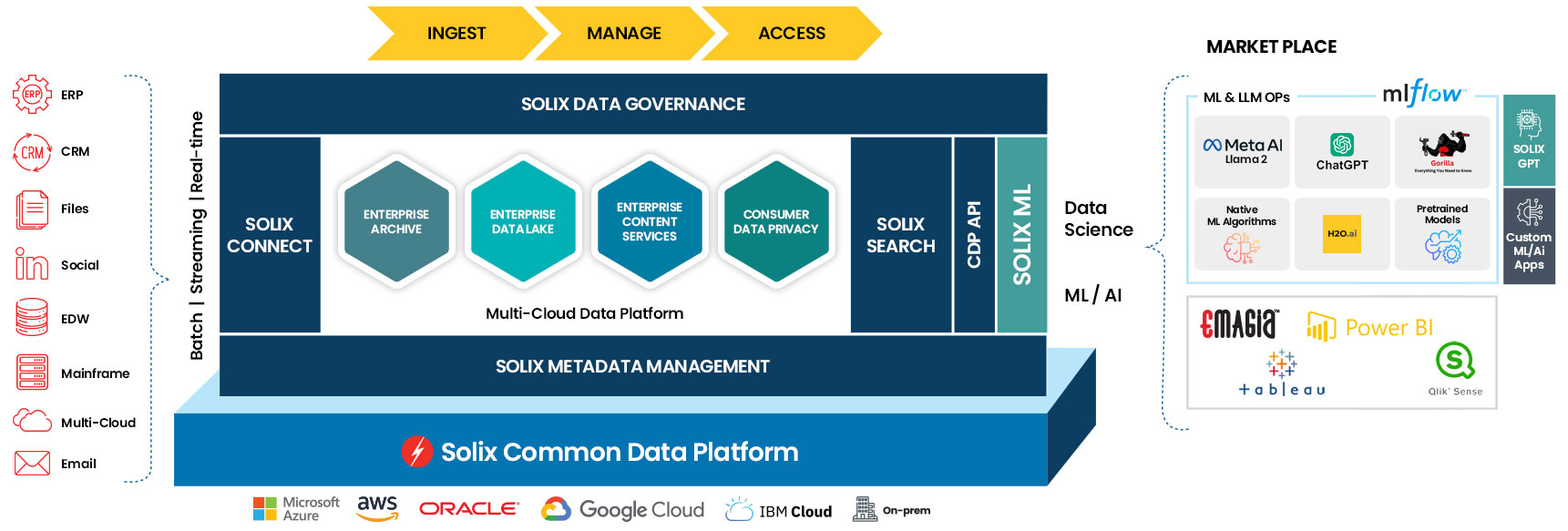
Secure and Compliant Cloud Data Management

Quick Links
-

Enterprise Data Lake
Collect, Store, Manage, Govern, Prepare and Pipeline Enterprise Data
Learn More -
Enterprise Archiving
Bundle all of your archiving needs and save. Enterprise Archiving includes Database Archiving, File Archiving, Application Retirement and Email Archiving all for a pay-as-you-go low monthly fee.
Learn More -

Application Retirement
Decomission your legacy applications and access data via powerful search methods with data governance, security and compliance.
Learn More -

Database Archiving
Improve the performance of your critical database applications and deliver more efficient infrastructure with Information Lifecycle Management (ILM).
Learn More -

File Archiving
Consolidate file server silos from across the organization for compliance and control.
Learn More -

Email Archiving
Provide eDiscovery, compliance and manage email growth with a unified archiving strategy.
Learn More -

Consumer Data Privacy
Integrated solutions to help Solix Common Data Platform (CDP) customers meet the growing requirements for consumer data protection.
Learn More -

Data Masking
Protect Sensitive Data Across all Non-Production and Analytics Environments
Learn More
Choose your Solix CDP Deployment Options
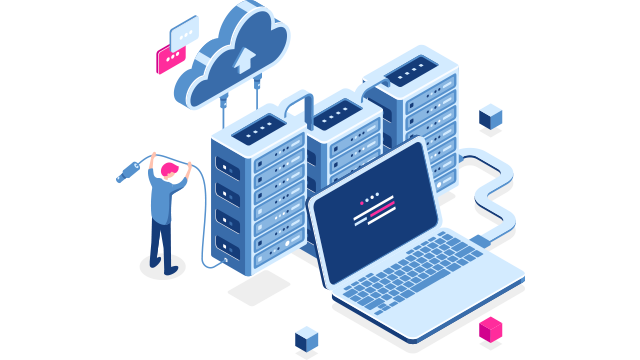
SOLIXCloud - Software as a Service (SaaS)
Hosted on Microsoft Azure this option provides cloud data management, security & compliance. Pay-as-you-go pricing includes all hardware, maintenance, application management and support at a low monthly cost.
- Fully managed service by Solix
- SLAs for a guaranteed availability
- Cost efficient elastic pricing
- QuikStart Services to onboard customers and complete projects efficiently
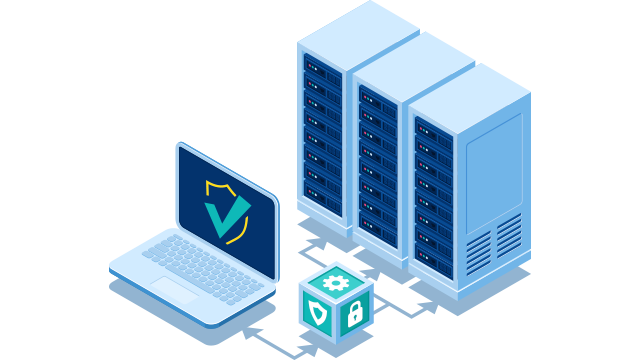
Solix CDP Multi-cloud
Host the same secure & compliant cloud data management platform either on-premise or at the cloud provider of your choice for direct organizational control.
- Deploy on-prem behind your organization’s firewall
- Leverage your existing reserved cloud instances
- Leverage your in-house application management for direct control
- Choose Solix Managed Services as an option
- QuikStart Services to onboard and complete projects efficiently
Connect, Govern and Search your Enterprise Data
Solix Connect
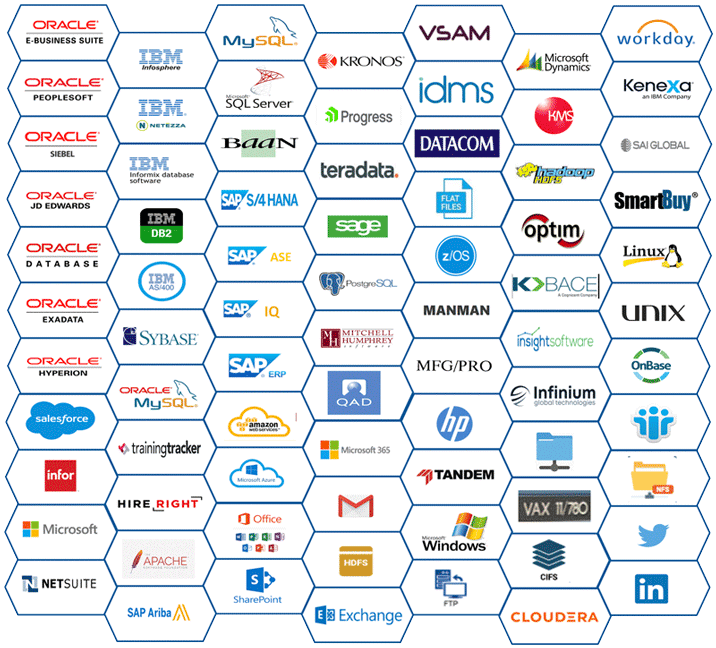
Modern organizations must manage all enterprise data including legacy mainframe systems, ERP, CRM, file stores, relational/non-relational databases, and even SaaS environments like Salesforce or Workday which have become the new systems of record.
SOLIXCloud provides easy to use cloud data management as-a-service with a comprehensive capability to connect, ingest, and manage any type of data from any source.
- Connectors that support mainframe applications (relational/non-relational, flat files etc.)
- Connectors for virtually any type of database or operating system
- Connectors to SaaS-based services such as Workday, Salesforce, Netsuite, Kronos and more
Solix Metadata Management
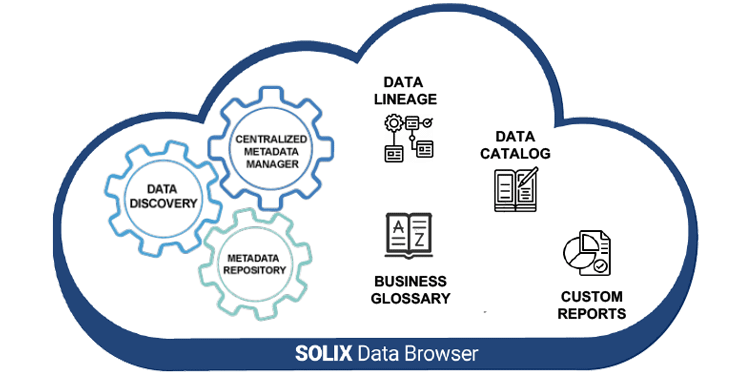
Solix metadata management is an end-to-end framework to explore all enterprise metadata and lineage from a centralized repository and business glossory.
Establish policies and processes with specific business context to ensure enterprise data can be integrated, acessed, shared and analyzed for proper data management and data governance.
- Explore your Enterprise Data Landscape
- Understand the data lifecycle
- Establish consistent descriptions and business context for your data
Solix Data Governance
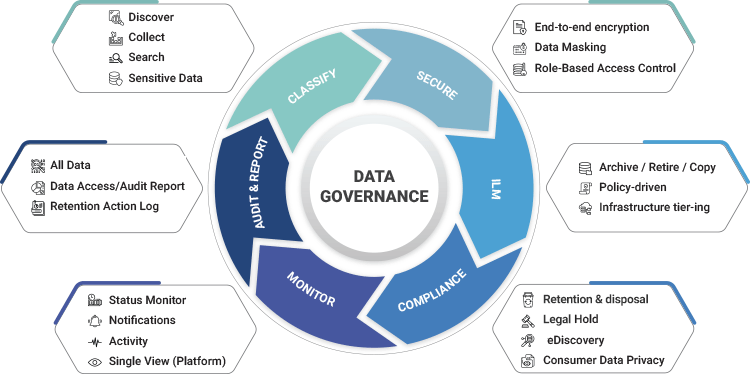
Managing data throughout its lifecycle carries inherent risks and opportunities for the organization. All enterprise data must be kept secure and compliant with data privacy and availability for litigation orders. Proper data governance requires continuous monitoring and audit availability as well as support for compliance policies and consumer data privacy.
SOLIXCloud delivers comprehensive data governance capabilities:
- Data classification and discovery of sensitive data
- Robust security including encryption, data masking and role-based security
- Policy-driven Information Lifecycle Management (ILM) with legal-holds and comprehensive data privacy
Solix Discovery
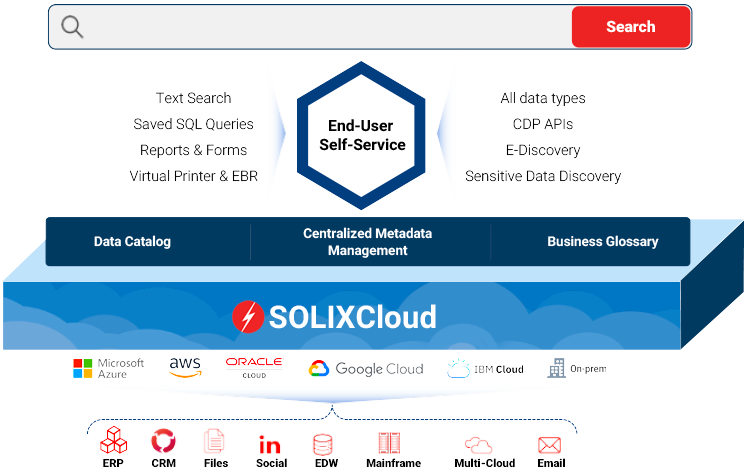
Organizations need to search and query all enterprise data. Users must access transactions from active and decommissioned ERP and CRM systems, HR files and perhaps old X-rays for a patient. Since this data is stored in a wide variety of formats, search methods must support different metadata models for simple end-user access even if the system of record that produced the data no longer exists.
SOLIXCloud data management provides powerful enterprise search to enable self-service access to any data by authorized users.
- Centralized metadata management
- A data catalog and business glossary
- A wide variety of search methods
Why SOLIXCloud?
Solix Common Data Platform (CDP) delivers a fully managed low-cost, scalable, elastic, secure and compliant cloud data management solution for all enterprise data.
-

Single Platform
Unified archive for structured, unstructured and semi-structured data.
-

Reduce Risk
Policy driven archiving and data retention
-

24/7 Support
Solix offers world-class support from experts 24/7 to meet your data management needs.
-

On-demand Scale
Elastic offering to scale storage and support with your project
-
Fully Managed
Software as-a-service offering
-

Secure & Compliant
Comprehensive Data Governance
-

Low Cost
Pay-as-you-go monthly subscription so you only purchase what you need.
-

End-User Friendly
End-user data access with flexibility for format options.
