What Is CI/CD and How Does It Work?
CI/CD stands for Continuous Integration and Continuous Delivery. It is the automated pipeline that takes code from a developer’s laptop to production. In modern enterprises, CI/CD must also govern data, security, and AI models, not just software builds.
Key Takeaways
- CI/CD replaces slow, manual releases with automated pipelines.
- It reduces risk by testing, scanning, and validating every change.
- Modern CI/CD must support AI models, data pipelines, and APIs.
- Governance is now as important as speed.
- Solix provides the data and policy layer for compliant CI/CD.
What Does CI/CD Mean?
CI/CD stands for:
- Continuous Integration (CI): Automatically merging, building, and testing code whenever developers commit changes.
- Continuous Delivery (CD): Automatically packaging and deploying those tested changes into staging or production environments.
Instead of waiting weeks or months for releases, CI/CD allows software to be delivered safely many times per day.
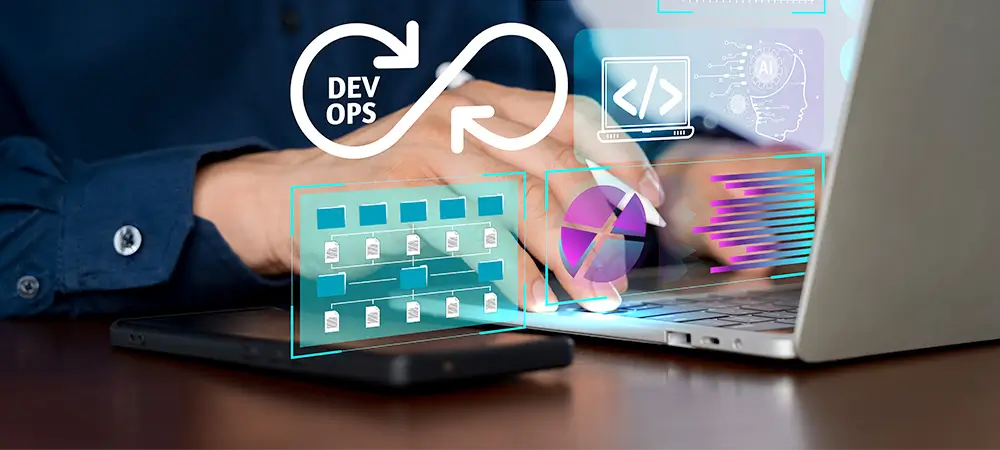
How CI/CD Works
- Developers commit code to a shared repository (GitHub, GitLab, Bitbucket).
- CI pipeline runs automated builds, unit tests, security scans, and quality checks.
- Artifacts are created such as container images, binaries, or AI models.
- CD pipeline deploys them to test, staging, or production environments.
- Monitoring and rollback ensure stability.
This pipeline becomes the nervous system of modern digital enterprises.
Why CI/CD Matters for AI and Data
CI/CD is no longer just about application code. Today it must also move:
- Machine learning models
- Data pipelines
- Feature stores
- API configurations
- Prompt templates and AI workflows
Without governance, AI teams can accidentally deploy models trained on sensitive data or unapproved datasets.
Mini-scenario: A data science team retrains a model using backup data that includes customer PII. The CI/CD pipeline pushes the model into production automatically. That creates an immediate GDPR and HIPAA violation.
How CI/CD Supports DevSecOps
Modern CI/CD pipelines enforce:
- Security scans (SAST, DAST)
- Dependency checks
- Compliance gates
- Approval workflows
- Audit trails
This is known as DevSecOps, where security and compliance are built into the pipeline instead of bolted on later.
CI/CD vs Traditional Release Management
| Traditional Releases | CI/CD Pipelines |
|---|---|
| Manual deployments | Automated deployments |
| Weeks or months between releases | Multiple releases per day |
| High risk of human error | Repeatable, tested processes |
| Limited auditability | Full logs and traceability |
| Hard to scale AI and data | Built for cloud, containers, and AI |
Where Solix Fits
Enterprises building regulated applications and AI systems need more than automation. They need governance across data, models, and services.
The Solix Unified Data Platform integrates with CI/CD pipelines to provide:
- Data discovery and classification
- Policy enforcement for training and production data
- Audit trails for compliance
- Lineage for AI models and datasets
This ensures that every deployment is not just fast, but defensible.
Frequently Asked Questions
Is CI/CD only for software developers?
No. It is now used for data pipelines, AI models, and infrastructure as code.
Does CI/CD replace testing?
No. It automates and scales testing so every change is validated before release.
Is CI/CD required for AI?
Yes. Without automated pipelines, AI deployments become slow, risky, and ungoverned.
Can CI/CD support compliance?
Yes. With the right controls, CI/CD can enforce approvals, logging, and policy checks for regulated environments.
What tools are used in CI/CD?
Common tools include GitHub Actions, GitLab CI, Jenkins, Azure DevOps, and cloud-native pipelines.
Start Building Governed Pipelines
CI/CD is the foundation of modern digital enterprises. Solix ensures that foundation is secure, compliant, and AI-ready.
Schedule a Demo | Explore Solix Enterprise AI
Transparency note: This article provides general information on CI/CD practices. Regulatory and compliance obligations vary by industry and should be reviewed with appropriate legal and security experts.