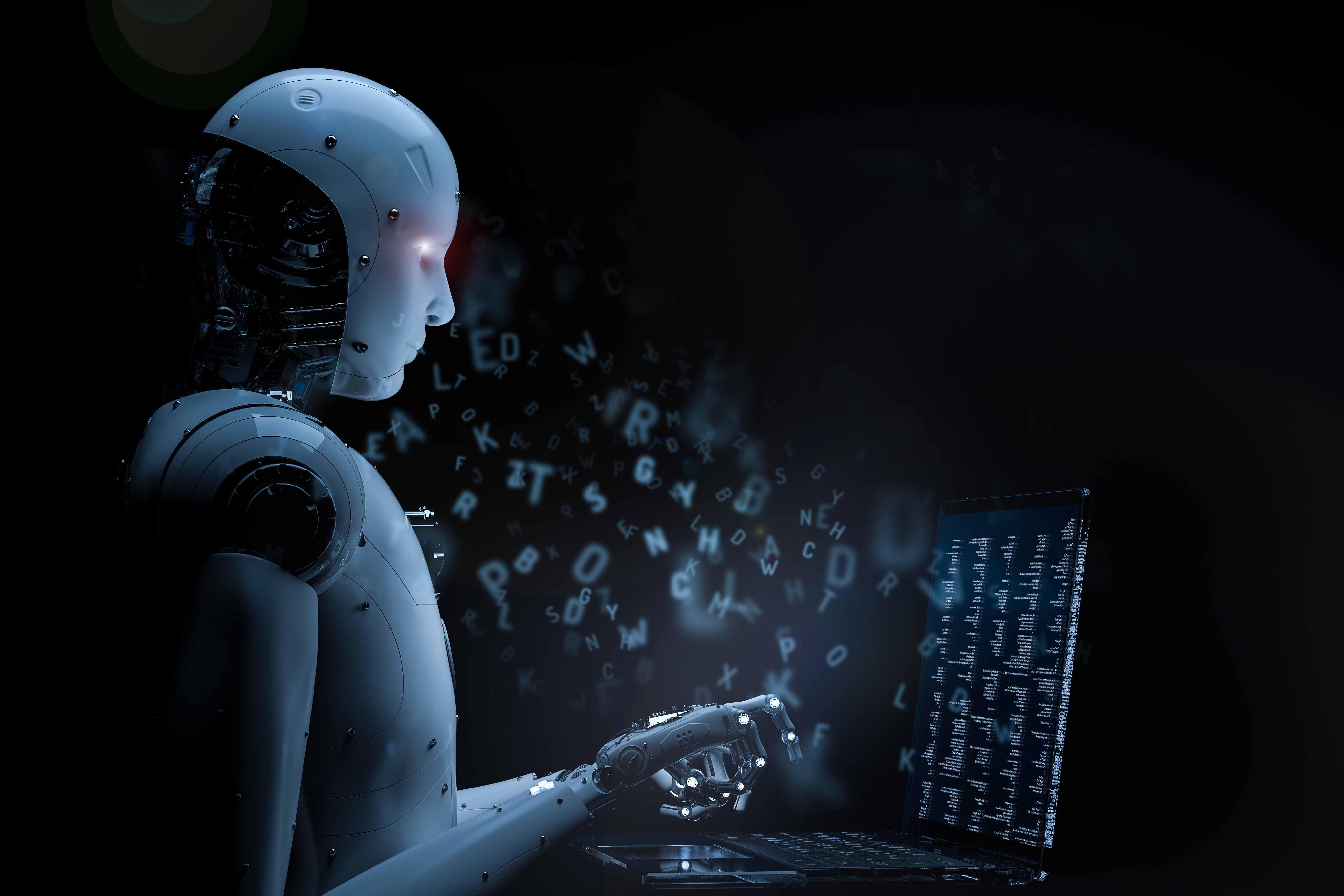
Disadvantages of AI in Cybersecurity
Artificial Intelligence (AI) has revolutionized many sectors, and cybersecurity is no exception. However, as an enthusiast in the field, Ive noticed that while AI offers impressive capabilities, it also bears notable disadvantages, especially when it comes to cybersecurity. So, what are these drawbacks In essence, the main concerns revolve around over-reliance on AI systems, ethical ambiguities, the prevalence of false positives, and the vulnerability of AI systems themselves. By understanding these challenges, we can better navigate the complexities of utilizing AI in cybersecurity.
As we plunge deeper into the world of AI-driven cybersecurity solutions, its crucial to discern where the technology thrives and where it falls short. One common pitfall Ive observed is the temptation to lean too heavily on AI, which can lead to a false sense of security. Cybersecurity landscapes are continually evolving, and in many cases, humans are needed to provide context and nuance that AI simply cannot. The interplay between human expertise and AIs computational power is often a dance that becomes unbalanced.
The Problem of Over-Reliance
Picture this scenario a company deploys an AI system that autonomously scans for potential security breaches. At first, it seems like a dream come true. However, as the months go by, employees begin to trust the AI system implicitly. When a new type of cyber threat emergesa sophisticated phishing campAIGn, for examplethe AI fails to recognize it because it hasnt been trained on that specific tactic. This can lead to catastrophic results, leaving the company exposed and vulnerable because everyone assumed the AI had it covered.
The key takeaway here is that leveraging AI doesnt mean we should forgo human oversight. Businesses must put systems in place that ensure human experts are involved in decision-making processes. Continuous training, both for AI systems and personnel, is essential to adapt to new threats. Fostering a culture of collaboration between AI technologies and human intelligence will mitigate the risks associated with over-reliance.
Ethical Ambiguities
Another pressing disadvantage of AI in cybersecurity is the ethical dilemmas it presents. AI algorithms can be biased based on the data they are trained on. For instance, if an AI system is predominantly trained on data from one geographic region, it might not accurately identify threats that are common in other areas. In my experience as a cybersecurity analyst, Ive seen firsthand how ethical missteps can lead to detrimental outcomes, such as unjustly flagging legitimate users as threats based on flawed data models.
This ethical ambiguity in AI applications can also impact user privacy. The automatic monitoring of user behavior, while crucial for identifying anomalies, can lead to significant data collection and surveillance, posing a risk to personal privacy and trust. Companies need to employ transparent AI practices, ensuring that their systems respect user privacy while still identifying threats effectively. Establishing ethical guidelines and frameworks can guide AI implementation and safeguard stakeholder interests.
The Challenge of False Positives
In the realm of cybersecurity, false positives can be both time-consuming and detrimental. AI systems often flag innocent actions as suspicious, leading to unnecessary investigations that consume valuable resources. For example, imagine an employee accessing company files at odd hours due to a time zone difference. If an AI automatically flags this as suspicious and launches an investigation, not only is this a waste of time and manpower, but it can also lower employee morale and trust in security measures.
To counter this issue, organizations can integrate feedback loops within their AI systems, allowing them to learn from past mistakes. Reducing the occurrence of false positives requires continuous fine-tuning of the algorithms and a robust understanding of context. Regular audits and updates can go a long way in minimizing these errors. Furthermore, companies should create an open line of communication, inviting employees to report questionable flags, fostering a collective approach to cybersecurity.
Vulnerabilities of AI Systems Themselves
Lastly, while AI can be a powerful tool in fighting cyber threats, it is not immune to attacks. AI systems can be reverse-engineered by skilled cybercriminals who take advantage of their capabilities, leading to devastating breaches. For instance, if an AI model is manipulated through adversarial attacks, it may fail to detect genuine threats or falsely identify normal behaviors as breaches.
To mitigate these risks, organizations must adopt a layered security approach that includes traditional methods of threat detection alongside AI-driven ones. By not putting all eggs in the AI basket, businesses can ensure diversified strategies that fortify their defenses. Moreover, conducting regular vulnerability assessments on AI systems can expose weaknesses before they become a security nightmare.
Connecting Disadvantages to Solutions
Understanding the disadvantages of AI in cybersecurity helps organizations make informed decisions. For companies like Solix, addressing these disadvantages is crucial. Solix offers comprehensive data governance solutions that complement your existing security frameworks without solely relying on AI. With their data governance solutions, businesses can structure their data intelligently and ensure that AI tools are trained on accurate, unbiased datasets.
In addition to consulting on ethical AI practices, solutions provided by Solix can help organizations create a balance between AI and human expertise. This holistic approach allows businesses to tackle cybersecurity challenges more effectively and build trust, both internally among employees and externally with clients.
If youre looking for more information about how to mitigate the disadvantages of AI in cybersecurity, dont hesitate to reach out. You can contact Solix at 1.888.GO.SOLIX (1-888-467-6549) or visit their contact page for further consultation.
Wrap-Up
The world of AI in cybersecurity is a double-edged sword. While the technology has undeniable advantages, the disadvantages of AI in cybersecurity warrant close scrutiny. Over-reliance on AI, ethical ambiguities, false positives, and inherent vulnerabilities are challenges that require careful navigation. By fostering collaboration between AI and human expertise, and by implementing ethical guidelines, organizations can harness AIs capabilities while minimizing its drawbacks.
My journey through the cybersecurity landscape has taught me the importance of being vigilant and adaptable. We must embrace technologies like AI but remain grounded in the realities of their limitations. A balanced approach can lead to more secure environments, protecting both organizational assets and user privacy.
About the Author
Hi! Im Priya, a cybersecurity enthusiast exploring the impact of technology in creating secure digital environments. My background has shown me the real-life disadvantages of AI in cybersecurity, and I aim to share insights that can help organizations tackle these challenges effectively.
Disclaimer The views expressed in this blog are my own and do not represent an official position of Solix.
I hoped this helped you learn more about disadvantages of ai in cybersecurity. Sign up now on the right for a chance to WIN $100 today! Our giveaway ends soon—dont miss out! Limited time offer! Enter on right to claim your $100 reward before its too late! My goal was to introduce you to ways of handling the questions around disadvantages of ai in cybersecurity. As you know its not an easy topic but we help fortune 500 companies and small businesses alike save money when it comes to disadvantages of ai in cybersecurity so please use the form above to reach out to us.

Priya
Priya combines a deep understanding of cloud-native applications with a passion for data-driven business strategy. She leads initiatives to modernize enterprise data estates through intelligent data classification, cloud archiving, and robust data lifecycle management. Priya works closely with teams across industries, spearheading efforts to unlock operational efficiencies and drive compliance in highly regulated environments. Her forward-thinking approach ensures clients leverage AI and ML advancements to power next-generation analytics and enterprise intelligence.
DISCLAIMER: THE CONTENT, VIEWS, AND OPINIONS EXPRESSED IN THIS BLOG ARE SOLELY THOSE OF THE AUTHOR(S) AND DO NOT REFLECT THE OFFICIAL POLICY OR POSITION OF SOLIX TECHNOLOGIES, INC., ITS AFFILIATES, OR PARTNERS. THIS BLOG IS OPERATED INDEPENDENTLY AND IS NOT REVIEWED OR ENDORSED BY SOLIX TECHNOLOGIES, INC. IN AN OFFICIAL CAPACITY. ALL THIRD-PARTY TRADEMARKS, LOGOS, AND COPYRIGHTED MATERIALS REFERENCED HEREIN ARE THE PROPERTY OF THEIR RESPECTIVE OWNERS. ANY USE IS STRICTLY FOR IDENTIFICATION, COMMENTARY, OR EDUCATIONAL PURPOSES UNDER THE DOCTRINE OF FAIR USE (U.S. COPYRIGHT ACT § 107 AND INTERNATIONAL EQUIVALENTS). NO SPONSORSHIP, ENDORSEMENT, OR AFFILIATION WITH SOLIX TECHNOLOGIES, INC. IS IMPLIED. CONTENT IS PROVIDED "AS-IS" WITHOUT WARRANTIES OF ACCURACY, COMPLETENESS, OR FITNESS FOR ANY PURPOSE. SOLIX TECHNOLOGIES, INC. DISCLAIMS ALL LIABILITY FOR ACTIONS TAKEN BASED ON THIS MATERIAL. READERS ASSUME FULL RESPONSIBILITY FOR THEIR USE OF THIS INFORMATION. SOLIX RESPECTS INTELLECTUAL PROPERTY RIGHTS. TO SUBMIT A DMCA TAKEDOWN REQUEST, EMAIL INFO@SOLIX.COM WITH: (1) IDENTIFICATION OF THE WORK, (2) THE INFRINGING MATERIAL’S URL, (3) YOUR CONTACT DETAILS, AND (4) A STATEMENT OF GOOD FAITH. VALID CLAIMS WILL RECEIVE PROMPT ATTENTION. BY ACCESSING THIS BLOG, YOU AGREE TO THIS DISCLAIMER AND OUR TERMS OF USE. THIS AGREEMENT IS GOVERNED BY THE LAWS OF CALIFORNIA.
What you can do with Solix

Enter to win a $100 Amex Gift Card
-
 White Paper
Enterprise Information Architecture for Gen AI and Machine Learning
Download White Paper -
-
-



