Executive Summary
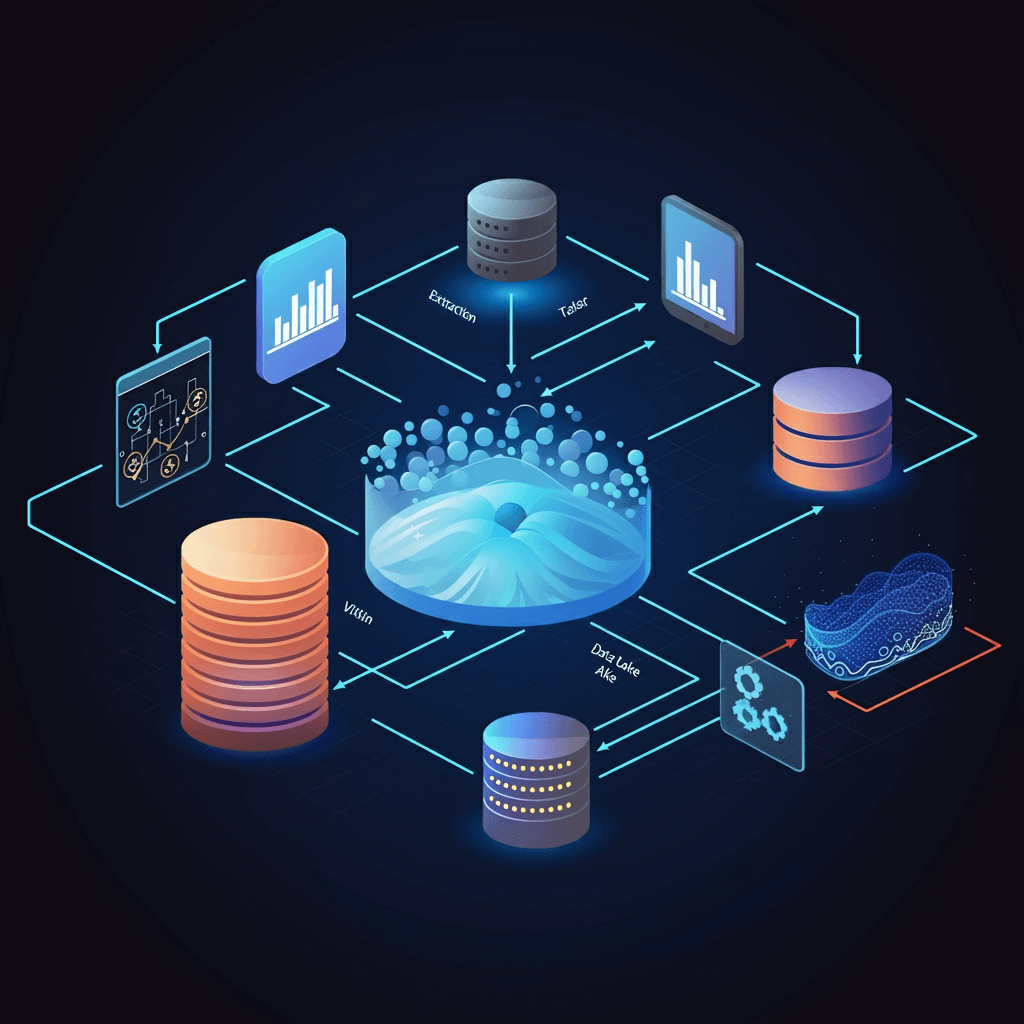
This article provides a comprehensive architectural analysis of integrating mainframe data into a modern cloud data lake, specifically within the context of the U.S. Department of Veterans Affairs (VA). It outlines the technical mechanisms, operational constraints, and potential failure modes associated with this integration. The focus is on ensuring compliance, data integrity, and the strategic trade-offs involved in the migration process. By understanding these elements, enterprise decision-makers can make informed choices that align with their organizational goals and regulatory requirements.
Definition
A data lake is defined as a centralized repository that allows for the storage and analysis of large volumes of structured and unstructured data from various sources, including legacy systems like mainframes. The integration of mainframe data into a cloud data lake involves several technical mechanisms and operational constraints that must be carefully navigated to ensure successful migration and utilization of the data.
Direct Answer
Integrating mainframe data into a modern cloud data lake requires a structured approach that includes data extraction, transformation, and loading (ETL) processes, compliance checks, and robust data governance frameworks. The integration must address legacy system constraints and ensure data quality throughout the migration process.
Why Now
The urgency for integrating mainframe data into cloud data lakes is driven by the increasing need for organizations to leverage data for analytics and decision-making. As organizations like the VA seek to modernize their IT infrastructure, the ability to access and analyze historical data stored in mainframes becomes critical. Additionally, regulatory pressures and the demand for improved data accessibility necessitate a strategic approach to data integration.
Diagnostic Table
| Issue | Description | Impact |
|---|---|---|
| Data Extraction Delays | Delays in extracting data from legacy systems due to compatibility issues. | Increased project timelines and costs. |
| Transformation Failures | Transformation scripts fail to account for data type discrepancies. | Inaccurate data in the cloud data lake. |
| Compliance Gaps | Missing documentation for data lineage during compliance checks. | Potential legal and financial repercussions. |
| Data Quality Issues | Data quality issues surface post-migration, impacting analytics. | Informed decision-making is compromised. |
| Unauthorized Access Attempts | Audit logs indicate unauthorized access during integration. | Data security risks increase. |
| Retention Policy Conflicts | Retention policies not updated to reflect new data lake architecture. | Compliance violations may occur. |
Deep Analytical Sections
Architectural Overview
The architectural framework for integrating mainframe data into a cloud data lake must prioritize compliance and data integrity. This involves understanding the data governance requirements specific to the VA and ensuring that the integration process aligns with these standards. The architecture should facilitate seamless data flow while maintaining security protocols to protect sensitive information.
Technical Mechanisms for Integration
Data migration from mainframes to cloud data lakes typically employs ETL processes. ETL must be tailored to accommodate the unique data formats and structures of mainframe systems. This includes the use of specialized tools for data extraction and transformation to ensure compatibility with cloud storage solutions. The choice between ETL and ELT (Extract, Load, Transform) should be made based on the nature of the data being migrated.
Operational Constraints
Legacy systems often impose significant operational constraints on data access and migration. These constraints can include limited data extraction capabilities, outdated data formats, and compliance requirements that complicate data handling. Organizations must navigate these challenges to ensure a smooth transition to a cloud data lake while adhering to regulatory standards.
Failure Modes
Potential failure modes during the integration process include data loss due to inadequate backup procedures and schema mismatches that arise from differences in data structure between mainframe and cloud systems. Identifying these failure modes early in the planning process is crucial for implementing effective mitigation strategies.
Implementation Framework
The implementation framework for integrating mainframe data into a cloud data lake should include a detailed project plan that outlines the steps for data extraction, transformation, and loading. This framework must also incorporate data governance practices, including data lineage tracking and quality checks, to ensure compliance and data integrity throughout the migration process.
Strategic Risks & Hidden Costs
Strategic risks associated with the integration of mainframe data into cloud data lakes include potential data breaches, compliance violations, and the costs associated with data remediation. Hidden costs may arise from the need for additional resources to manage data governance and compliance, as well as the potential for increased processing times during data migration.
Steel-Man Counterpoint
While the integration of mainframe data into cloud data lakes presents numerous challenges, proponents argue that the benefits of enhanced data accessibility and analytics capabilities outweigh the risks. By leveraging modern cloud technologies, organizations can unlock new insights from their historical data, driving improved decision-making and operational efficiency.
Solution Integration
Integrating mainframe data into a cloud data lake requires a coordinated effort across various teams, including IT, compliance, and data governance. Successful integration hinges on clear communication and collaboration among stakeholders to ensure that all aspects of the migration process are addressed, from technical mechanisms to compliance requirements.
Realistic Enterprise Scenario
Consider a scenario where the U.S. Department of Veterans Affairs seeks to integrate its historical patient data from mainframe systems into a modern cloud data lake. The project would involve assessing the current data landscape, identifying compliance requirements, and implementing ETL processes to migrate the data. Throughout the project, the VA would need to address operational constraints and potential failure modes to ensure a successful integration.
FAQ
Q: What are the key benefits of integrating mainframe data into a cloud data lake?
A: The key benefits include improved data accessibility, enhanced analytics capabilities, and the ability to leverage historical data for informed decision-making.
Q: What are the main challenges associated with this integration?
A: Challenges include legacy system constraints, compliance requirements, and potential data quality issues during migration.
Q: How can organizations mitigate risks during the integration process?
A: Organizations can mitigate risks by implementing robust data governance practices, conducting thorough testing, and ensuring proper documentation throughout the migration process.
Observed Failure Mode Related to the Article Topic
During a recent integration project, we encountered a critical failure in our governance enforcement mechanisms, specifically related to discovery scope governance for object storage legal holds. Initially, our dashboards indicated that all systems were functioning correctly, but unbeknownst to us, the legal-hold metadata propagation across object versions had silently failed. This failure was exacerbated by the decoupling of object lifecycle execution from the legal hold state, leading to a situation where objects that should have been preserved for compliance were inadvertently marked for deletion.
As we delved deeper, we discovered that two critical artifacts had drifted: the legal-hold bit/flag and the retention class assigned at ingestion. The retrieval of an expired object during a routine audit triggered our RAG/search mechanism, revealing that the object had been purged despite being under a legal hold. Unfortunately, this failure was irreversible, the lifecycle purge had completed, and the immutable snapshots had overwritten the previous state, leaving us unable to restore the lost data.
This incident highlighted a significant control plane vs data plane divergence, where our governance controls failed to keep pace with the operational realities of data management. The lack of synchronization between the control mechanisms and the actual data lifecycle led to a catastrophic compliance failure, which could have severe implications for regulatory adherence and organizational integrity.
This is a hypothetical example, we do not name Fortune 500 customers or institutions as examples.
- False architectural assumption
- What broke first
- Generalized architectural lesson tied back to the “Integrating Mainframe Data into a Modern Cloud Data Lake”
Unique Insight Derived From “” Under the “Integrating Mainframe Data into a Modern Cloud Data Lake” Constraints
One of the key constraints in integrating mainframe data into a modern cloud data lake is the challenge of maintaining compliance while managing data growth. The pattern of Control-Plane/Data-Plane Split-Brain in Regulated Retrieval often leads to misalignment between governance policies and actual data states. This misalignment can result in significant compliance risks, especially when dealing with unstructured data.
Most teams tend to focus on data ingestion and transformation without adequately addressing the governance implications of their architecture. This oversight can lead to costly errors, such as the loss of critical data due to mismanaged retention policies. An expert, however, will prioritize the alignment of governance controls with data lifecycle management, ensuring that compliance is maintained throughout the data’s journey.
| EEAT Test | What most teams do | What an expert does differently (under regulatory pressure) |
|---|---|---|
| So What Factor | Focus on data volume and speed | Emphasize compliance and governance alignment |
| Evidence of Origin | Track data lineage superficially | Implement rigorous audit trails for compliance |
| Unique Delta / Information Gain | Assume data is compliant post-ingestion | Continuously validate compliance throughout the data lifecycle |
Most public guidance tends to omit the critical need for continuous validation of compliance throughout the data lifecycle, which is essential for effective governance in a cloud data lake environment.
References
- NIST SP 800-53: Provides guidelines for securing cloud storage environments.
- ISO 15489: Establishes principles for records management applicable to data lakes.
- ISO 27001: Outlines requirements for establishing an information security management system.

Barry Kunst
Vice President Marketing, Solix Technologies Inc.
DISCLAIMER: THE CONTENT, VIEWS, AND OPINIONS EXPRESSED IN THIS BLOG ARE SOLELY THOSE OF THE AUTHOR(S) AND DO NOT REFLECT THE OFFICIAL POLICY OR POSITION OF SOLIX TECHNOLOGIES, INC., ITS AFFILIATES, OR PARTNERS. THIS BLOG IS OPERATED INDEPENDENTLY AND IS NOT REVIEWED OR ENDORSED BY SOLIX TECHNOLOGIES, INC. IN AN OFFICIAL CAPACITY. ALL THIRD-PARTY TRADEMARKS, LOGOS, AND COPYRIGHTED MATERIALS REFERENCED HEREIN ARE THE PROPERTY OF THEIR RESPECTIVE OWNERS. ANY USE IS STRICTLY FOR IDENTIFICATION, COMMENTARY, OR EDUCATIONAL PURPOSES UNDER THE DOCTRINE OF FAIR USE (U.S. COPYRIGHT ACT § 107 AND INTERNATIONAL EQUIVALENTS). NO SPONSORSHIP, ENDORSEMENT, OR AFFILIATION WITH SOLIX TECHNOLOGIES, INC. IS IMPLIED. CONTENT IS PROVIDED "AS-IS" WITHOUT WARRANTIES OF ACCURACY, COMPLETENESS, OR FITNESS FOR ANY PURPOSE. SOLIX TECHNOLOGIES, INC. DISCLAIMS ALL LIABILITY FOR ACTIONS TAKEN BASED ON THIS MATERIAL. READERS ASSUME FULL RESPONSIBILITY FOR THEIR USE OF THIS INFORMATION. SOLIX RESPECTS INTELLECTUAL PROPERTY RIGHTS. TO SUBMIT A DMCA TAKEDOWN REQUEST, EMAIL INFO@SOLIX.COM WITH: (1) IDENTIFICATION OF THE WORK, (2) THE INFRINGING MATERIAL’S URL, (3) YOUR CONTACT DETAILS, AND (4) A STATEMENT OF GOOD FAITH. VALID CLAIMS WILL RECEIVE PROMPT ATTENTION. BY ACCESSING THIS BLOG, YOU AGREE TO THIS DISCLAIMER AND OUR TERMS OF USE. THIS AGREEMENT IS GOVERNED BY THE LAWS OF CALIFORNIA.
-
 White Paper
Enterprise Information Architecture for Gen AI and Machine Learning
Download White Paper -

-

-
